The Vision
A Kupixawa (shuhu) for Timbaúba Village
For the Noke Koî people of the Brazilian Amazon, a Kupixawa (shuhu) is not simply a building. It is a cosmos made physical — a sacred cultural center that holds the community's songs, stories, medicine, and memory under one roof. It is the ceremonial heart of a community, a living space where knowledge breathes from one generation to the next.
The Timbaúba Village currently holds all its ceremonies outdoors. In rain. Under the scorching Amazonian sun. Beneath the stars. The community's resilience in the face of this limitation is extraordinary — but the absence of a proper cultural center means that elders cannot transmit knowledge in the full ceremonial context it deserves, that younger generations miss the embodied experience of their heritage, and that the Noke Koî's capacity to sustain their traditions is constrained by physical circumstance.
"This is where the songs come alive. It is where we remember who we are."— Cacique Paka Kamãnawa, Chief of Timbaúba Village
This fundraiser exists to change that. We are raising $175,000 to fund the design and construction of a permanent Kupixawa (shuhu) Cultural Center at Timbaúba Village — built using traditional techniques, local materials, and the hands of the Noke Koî community themselves, supported by resources that come directly from people who care about indigenous sovereignty and cultural continuity.
Who Are the Noke Koî
A People of the Forest
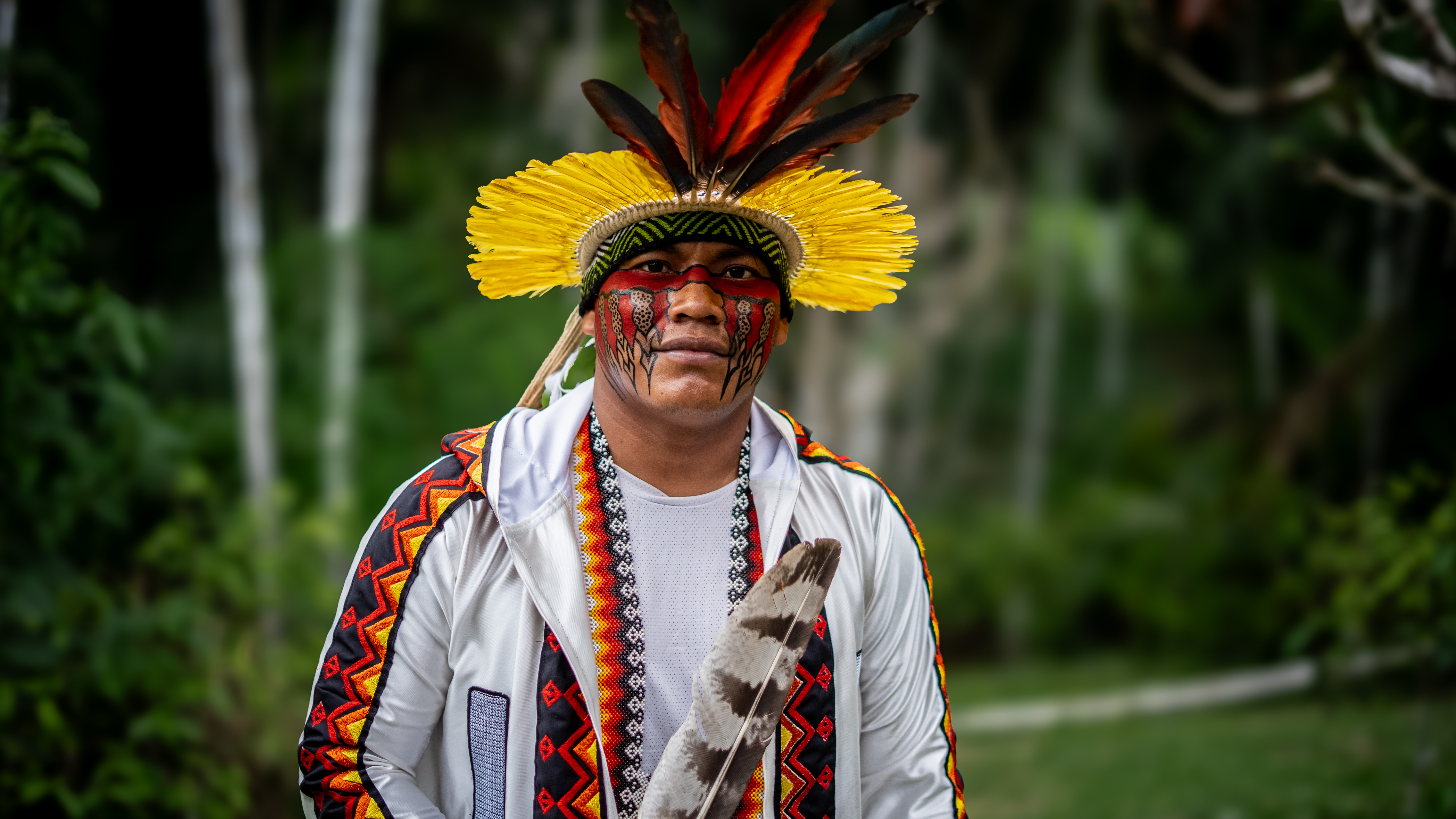
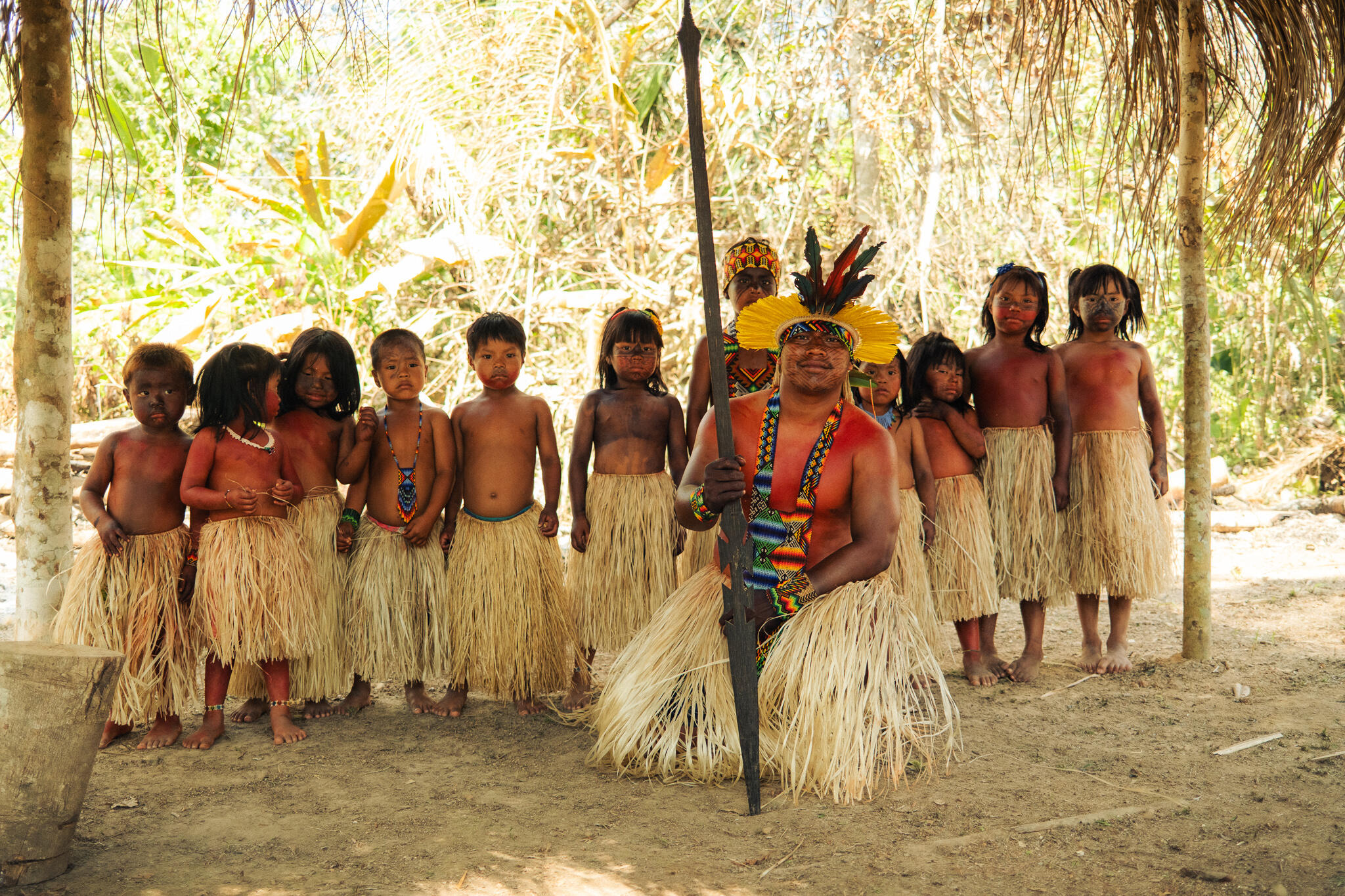
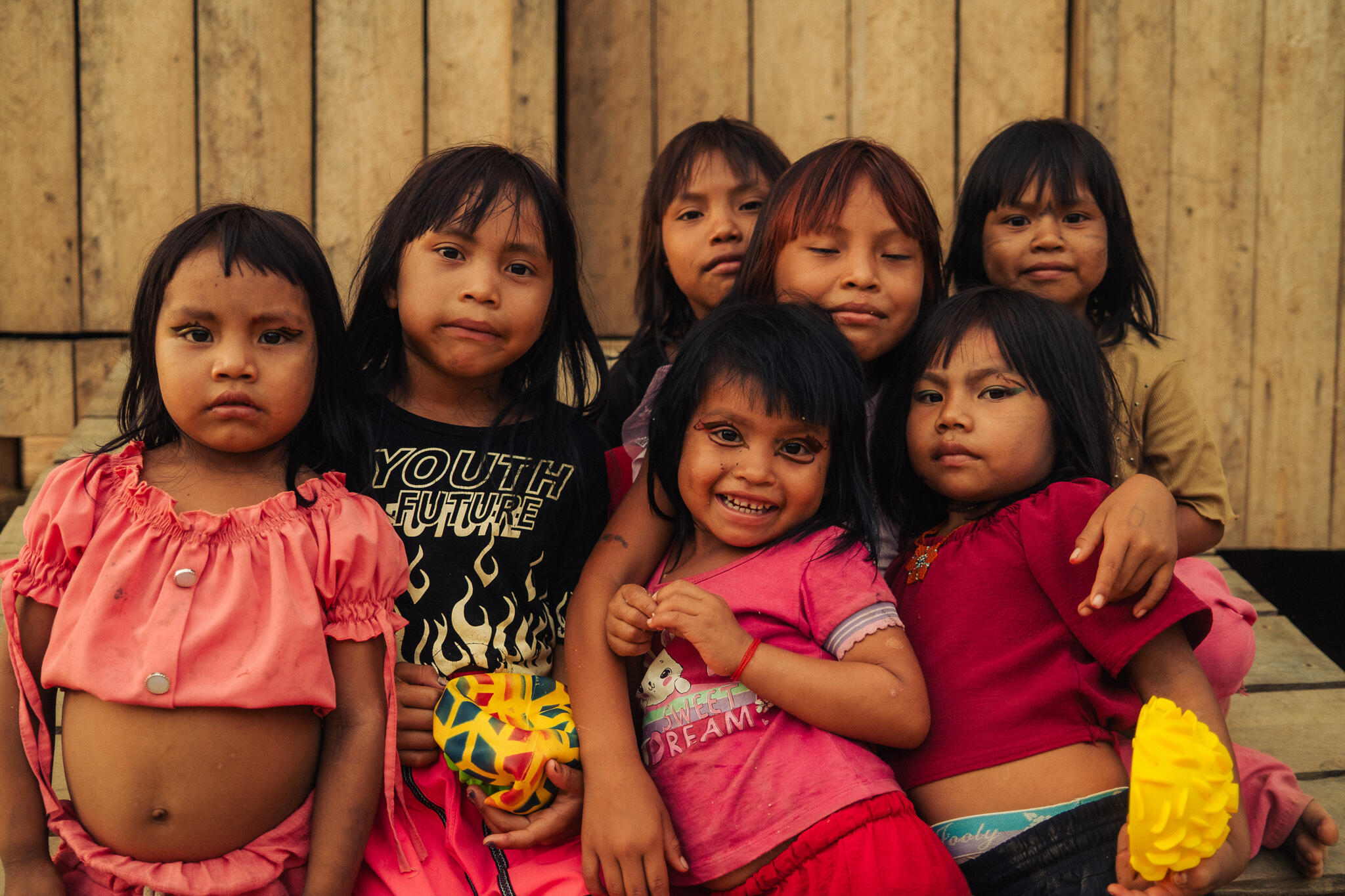
The Noke Koî are an indigenous people of the upper Juruá River basin in Acre, Brazil. Their territory is the Gregório River Indigenous Land, a stretch of ancient Amazonian forest that has sustained their culture for millennia. "Noke Koî" means "our people" — and within that simple phrase lives an entire cosmology of relationship, kinship, and belonging.
Their ceremonial life centers on Uni — the sacred medicine vine — through which txanas (ceremonial singer-healers) receive songs, visions, and teachings from the forest itself. These songs, called Txirîtí, are not composed in the ordinary sense: they are received. Each one carries knowledge, healing, and connection to the living world.
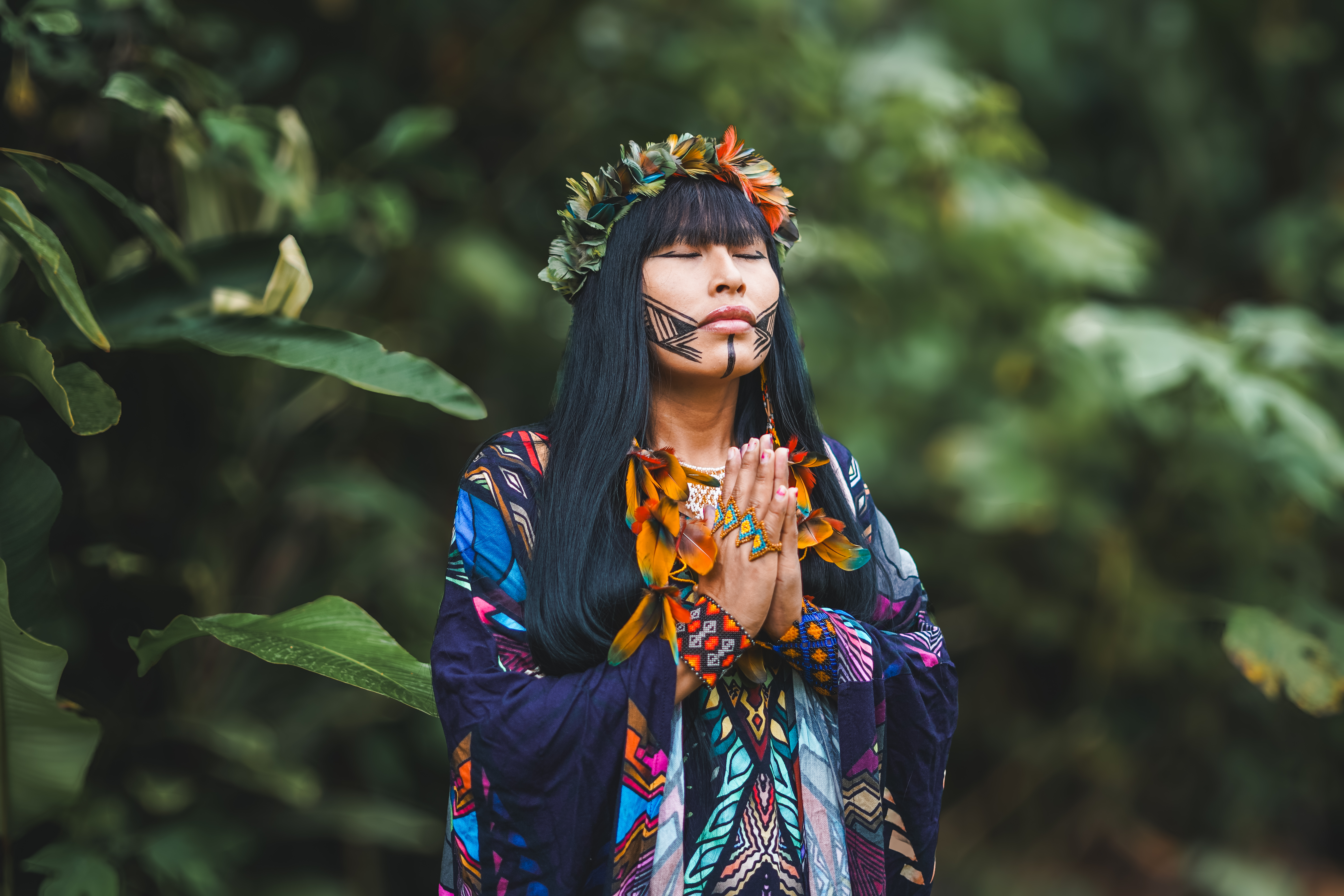
The Noke Koî also carry the Kene — intricate geometric patterns that encode cosmological knowledge into visual form. Seen on pottery, bodies, and weavings, Kene is a living language that has been passed through Noke Koî women for generations. It is one of the most sophisticated visual-knowledge systems in Amazonian culture.
What We're Building
A Cultural Center, Built Right
The Kupixawa (shuhu) we are building is not a museum piece or a tourist attraction. It is a working ceremonial and cultural space — designed by the Noke Koî for the Noke Koî — that will serve the community for generations. Construction will draw on traditional architectural knowledge, use locally sourced materials wherever possible, and prioritize the involvement of community members throughout the build.
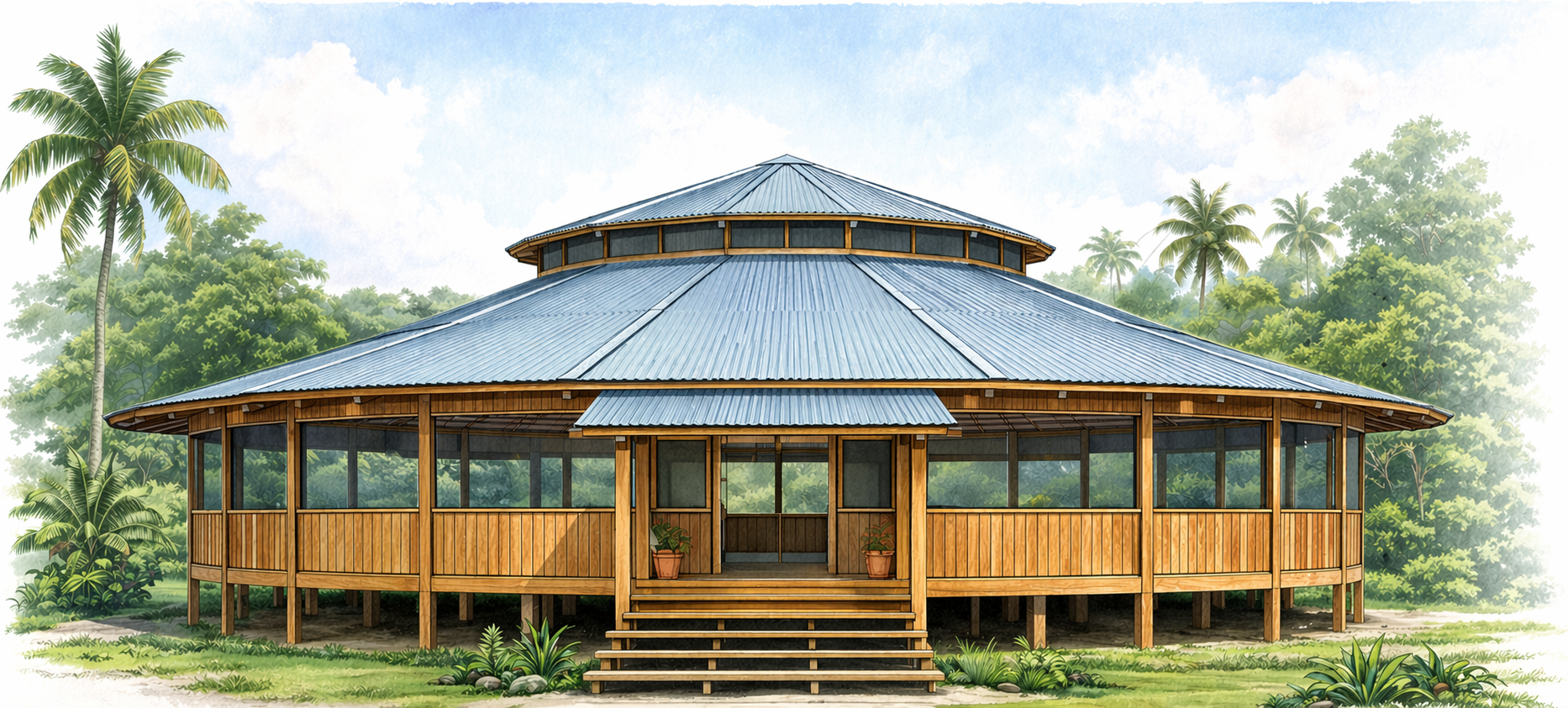
Funds are administered through Mothers of the Amazon Inc., a registered 501(c)(3) nonprofit, and disbursed directly to Timbaúba Village with full accountability and community oversight.
Your Questions